

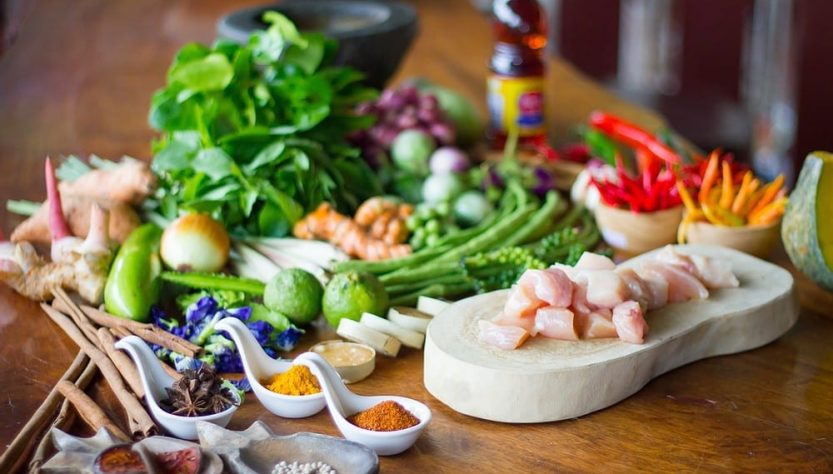
Thai food gets a lot of attention for its heat, but there’s way more to it than just chili. The balance between salty, sour, sweet, and spicy is what makes every dish stand out. At the centre of all that are the spices and herbs. They shape the smell, the taste, and even the way food feels. You don’t need a long list of fancy ingredients to enjoy authentic Thai cuisine you just need to get the basics right.
In Thailand, kitchens often run on fresh herbs rather than dried ones. Lemongrass, kaffir lime leaf, and galangal are staples. They get sliced, bruised, or smashed and tossed into soups or curries. These herbs don’t always get eaten directly. They’re there to flavour the whole dish.
Garlic and shallots show up in nearly everything. They’re crushed, fried, or ground into pastes. Thai garlic is small and punchy, used with the skin still on. When fried in oil, it becomes golden and adds crunch to noodles, rice dishes, and salads.
Fish sauce plays a big role too. It’s salty and full of umami. Just a splash can make something taste more balanced. Lime juice and tamarind add sourness, while palm sugar rounds things out. These ingredients might not be considered spices in the usual sense, but they’re essential in creating that familiar Thai flavour.
Chili is used in different forms fresh, dried, roasted, or ground into flakes. The type of chili and how it’s prepared changes the heat and taste. A green papaya salad, for example, uses fresh bird’s eye chili for a sharp, clean kick. Roasted chili flakes give a slower burn in soups or stir fries.
Curry pastes are another core element. They’re not just spicy they’re layered. A basic red curry paste might include dried chilies, garlic, shallot, lemongrass, galangal, and shrimp paste. These ingredients get pounded together slowly using a mortar and pestle. The longer you grind, the smoother and more fragrant the paste becomes.
Homemade pastes take time, but they make a big difference. The smell fills the kitchen before anything even hits the pan. Green curry paste, for example, uses fresh green chilies instead of dried red ones, and that one switch completely changes the outcome.
Stir fries often start with oil, garlic, and chili. Once the smell kicks in, it’s time to add meat or vegetables. Oyster sauce and fish sauce bring saltiness, and a sprinkle of sugar might balance things out. Some dishes also use Thai basil or holy basil toward the end for a peppery finish.
Soups like tom yum and tom kha are built from the same foundation: herbs, fish sauce, and sourness. Tom yum is clearer and spicier. Tom kha has coconut milk and tends to be a little smoother. Both use the same set of herbs, but the results are totally different.
Even simple dishes like fried rice or omelettes rely on spice in some form. It might be a side of chili in fish sauce or a spoonful of pickled chilies in vinegar. These little touches aren’t just extras they’re part of the meal.
You don’t need to be a chef to start cooking this way. A few good ingredients, a mortar and pestle, and some trial and error go a long way. Most Thai recipes were never written down. People just watched, tasted, and remembered. That’s still how it works in most homes.
Learning to cook Thai food is less about following exact steps and more about getting a feel for balance. Spices help with that. They give each dish its identity, and once you know how they work together, the rest starts to come naturally.